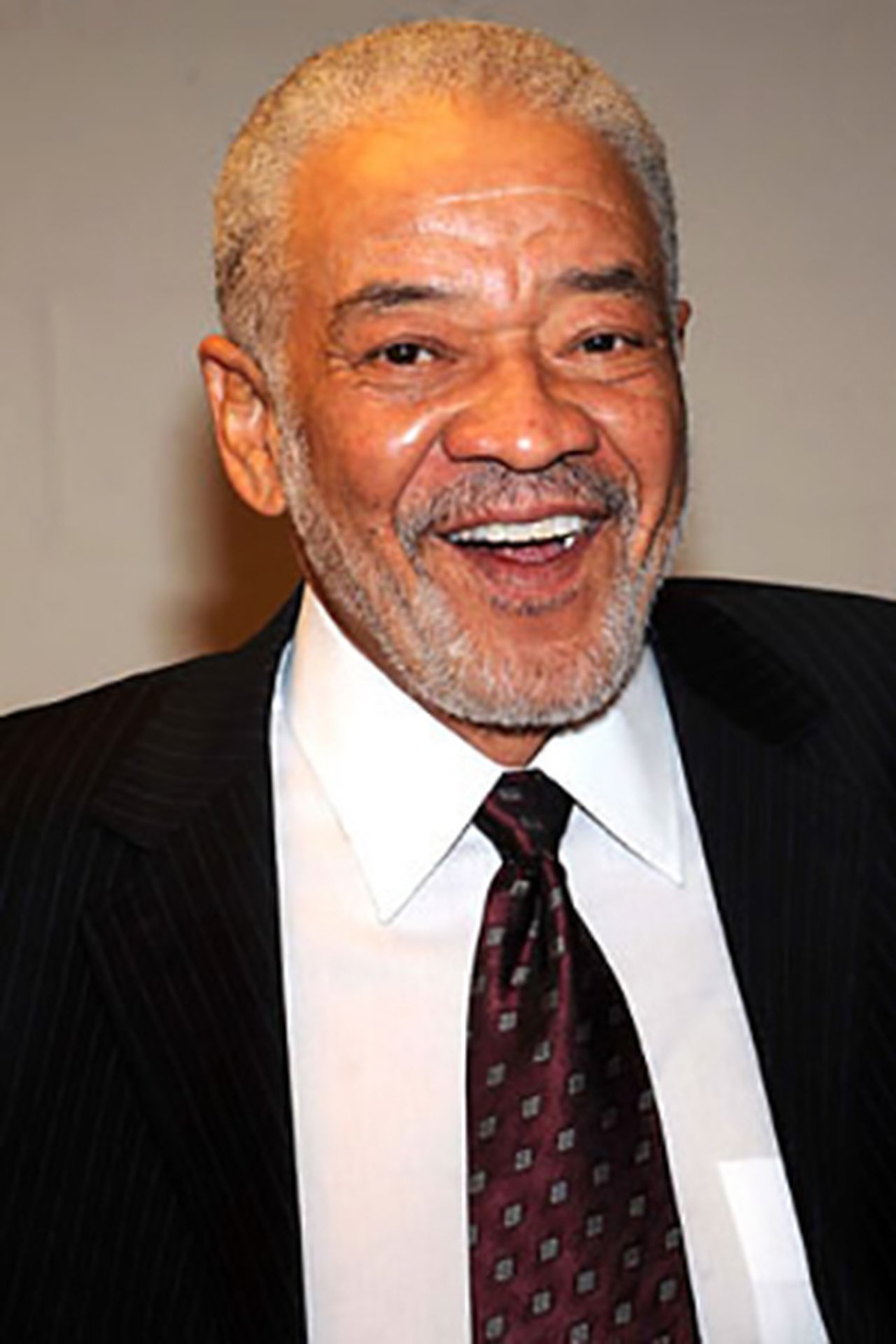
Rise to Fame
Making toilet seats for Boeing 747s is not the typical origin story. But that was Bill Withers' day job when 'Ain't No Sunshine' was climbing the charts in 1971. He'd spent nine years in the Navy, then worked assembly lines at Douglas Aircraft and Weber Aircraft in Los Angeles, teaching himself guitar on a pawnshop secondhand while recording demos at night. He was 32 when Sussex Records signed him. Booker T. Jones produced his debut, and the album's first single hit the top 10. The first album cover photo was shot on a lunch break from the factory. He didn't want to miss a shift.
In the Spotlight
He walked away from music in 1985 and didn't look back. His falling-out with Columbia Records, whose executives he called 'blaxperts' for pushing him toward formulas that weren't his, ended his recording career before he was 50. He had no regrets. The irony is that his songs outlasted everything. 'Lean on Me' went viral during the COVID-19 lockdown as healthcare workers and choirs posted covers, reaching a new generation just weeks before he died in March 2020. He was inducted into the Rock and Roll Hall of Fame in 2015.
Side Notes
Slab Fork, West Virginia, a coal-mining town under Jim Crow, didn't exactly produce soul music stars. His father, a miner, died when he was 13. He joined the Navy at 17, served nine years, and came to music without a lesson in his life. He had no musical training and came to music as a second career, which is exactly why his songs sound the way they do. He's said he never felt like the industry owned him. When it stopped being on his terms, he left. 'What else do I need to buy?' That's not cynicism. That's a man who had a life before the songs.
Final Chapter
He died March 30, 2020, though his family didn't announce it until April 3. 'Lean on Me' was already circulating as a COVID-19 anthem, sung by healthcare workers and choirs in the days surrounding his death. Questlove called him 'the last African-American Everyman.' Lin-Manuel Miranda, Chance the Rapper, and Lenny Kravitz all posted public tributes. He was inducted posthumously into the National Rhythm and Blues Hall of Fame in 2025.