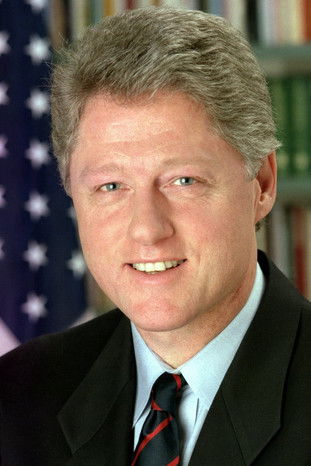
Rise to Fame
He got knocked out of the Arkansas governorship in 1980 by a nobody named Frank White, went back to law practice, then ran again in 1982 asking voters to give him a second chance. They did, then did it three more times. By 1992 he'd built enough national credibility chairing the National Governors Association to launch a presidential run, but the campaign almost cratered over the Gennifer Flowers affair. The recovery was the saxophone: he put on sunglasses and played "Heartbreak Hotel" on The Arsenio Hall Show in June 1992, and it landed with young voters the way no debate performance could.
In the Spotlight
The economy during his two terms was real: 22.7 million jobs created, unemployment down to 4%, and the federal budget ran surplus from 1998 to 2001, the first such stretch since 1969. His legacy now runs through two other filters. NAFTA critics blame him for hollowing out manufacturing jobs. And the Lewinsky affair, which the #MeToo era reframed as an abuse of power, sits differently now. Lewinsky has said he escaped far more than she did. Clinton told interviewers in 2018 he didn't think he owed her a personal apology. That last part aged poorly.
Side Notes
Born William Jefferson Blythe III, he never knew his biological father, who died in a car accident three months before Clinton was born. He took his stepfather's surname in high school. A Rhodes Scholar at Oxford, his draft deferment during that period became a major controversy in the 1992 campaign. He had quadruple bypass surgery in September 2004. His health has been followed as closely as any legislation he ever signed.